
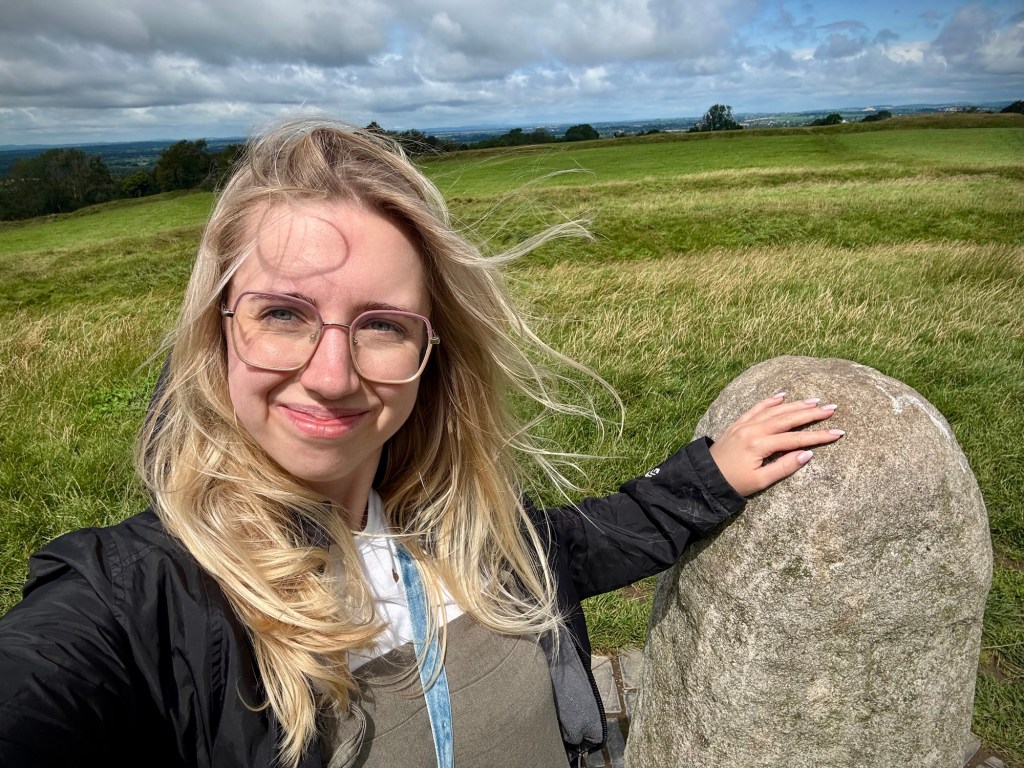
Have you always dreamt of becoming the High King of Ireland? Touch the Stone of Destiny and find out if you can rightfully proclaim your reign!
I jest, of course. We haven’t had a High King since the 1170s, however, you can still visit the Hill of Tara, where their inauguration took place.
History and Significance of the Hill of Tara
The Hill of Tara began as a Neolithic passage tomb in the late Stone Age (over 5,000 years ago). This passage, known as the Mound of Hostages, was in use for millennia for various important ceremonies and burials. Located near Skryne, in County Meath, the hill was believed to be an entrance to another world. It is in the Iron Age (approx. 600BC – 400AD), when the site became of further significance for Gaelic politics and religion.
That is when it became the seat of the High Kings of Ireland. To this day, the Stone of Destiny (Lia Fáil) sits atop the Inauguration Mound, where it served as the coronation stone. It is said the stone cried out when the true king touched it and that it is one of the sacred objects brought to us by Celtic gods, or the Tuatha Dé Danann. It did not cry out for me, so I think it’s fair to say I will not be ruling Ireland anytime soon – it made for a very funny picture, though. I am aware of how it looks, and I’m rolling with it.
It is also said that St. Patrick himself, our primary patron saint, credited with bringing Christianity to Ireland, visited Tara in the 5th century to confront paganism. During a decree that stated no fire shall be lit within sight of the Hill of Tara, Patrick lit a fire on the nearby Hill of Slane, in defiance of the High Kings.
The Hill of Tara today
Since most of the structures atop the hill were made out of wood, they are no longer here. The hill today consists mostly of grassy earthwork, but some of the important monuments remain. You can still go and see the Stone of Destiny, the Mound of the Hostages, and the Ráith na Rí – a large enclosure, with a circumference of 1000m that once enclosed all that stood within.


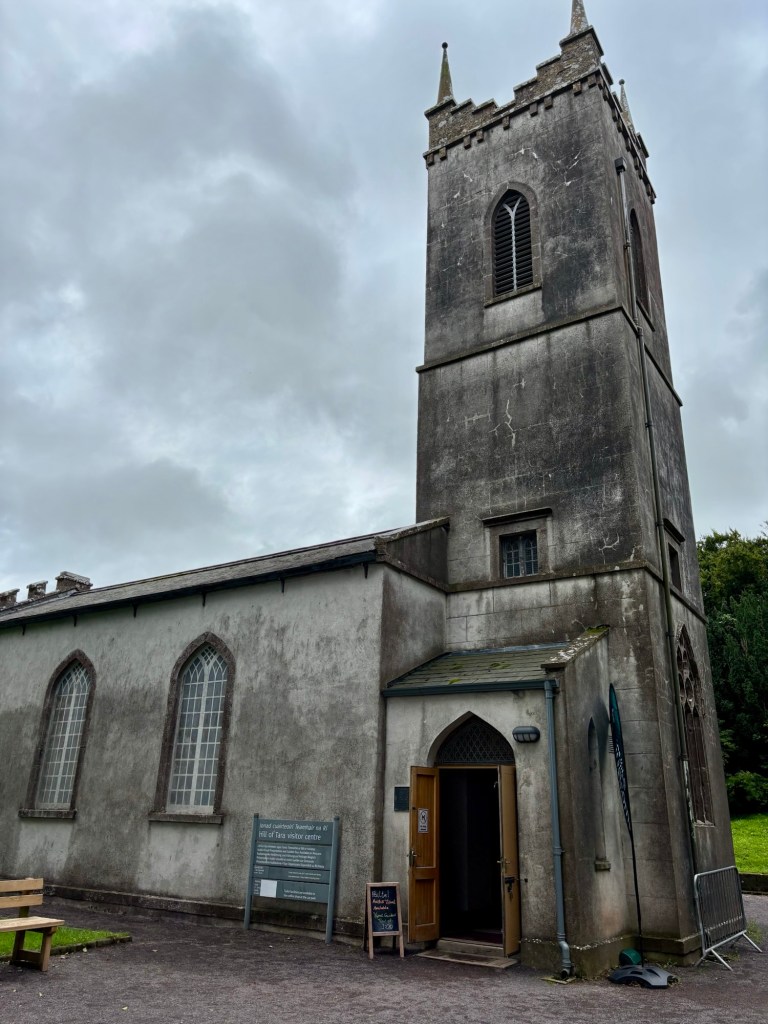
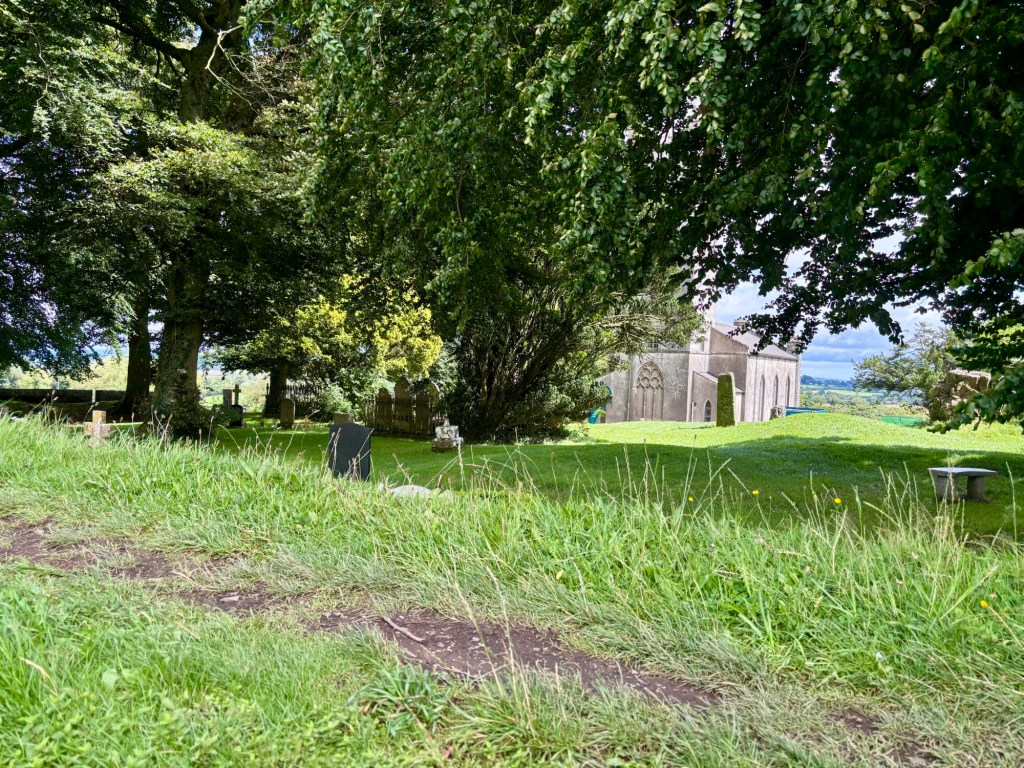
There is a heritage and visitor centre inside a former church, just to the side of the hill. It can provide you with further information as to the history of the area, as well as an audio tour.
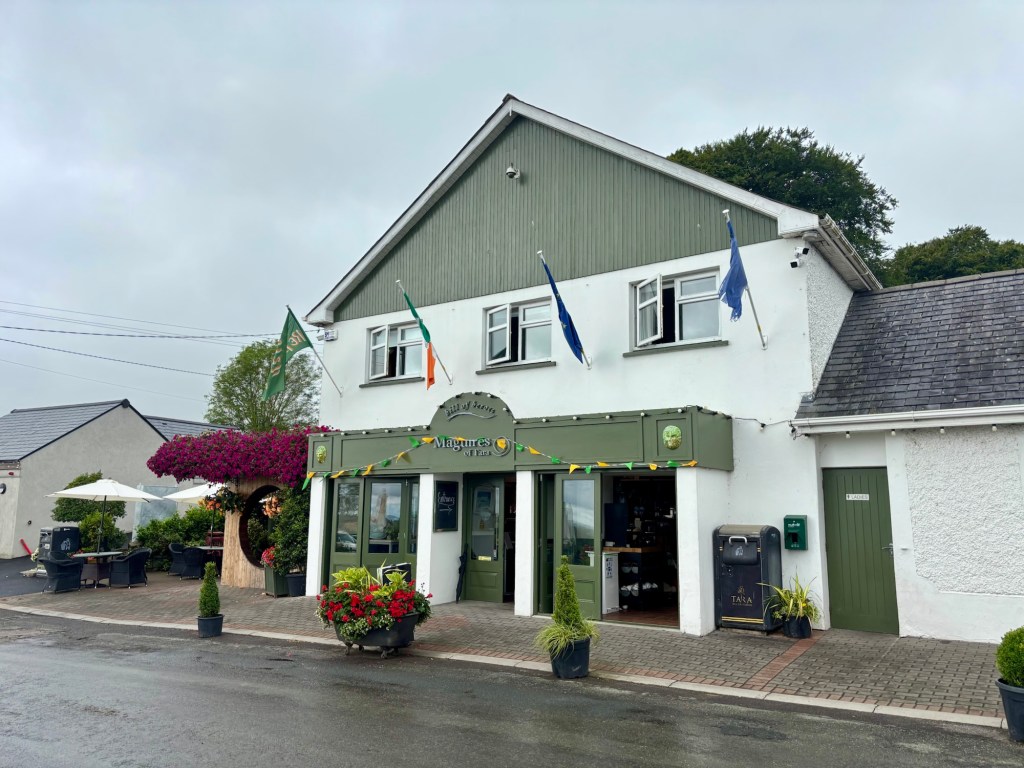
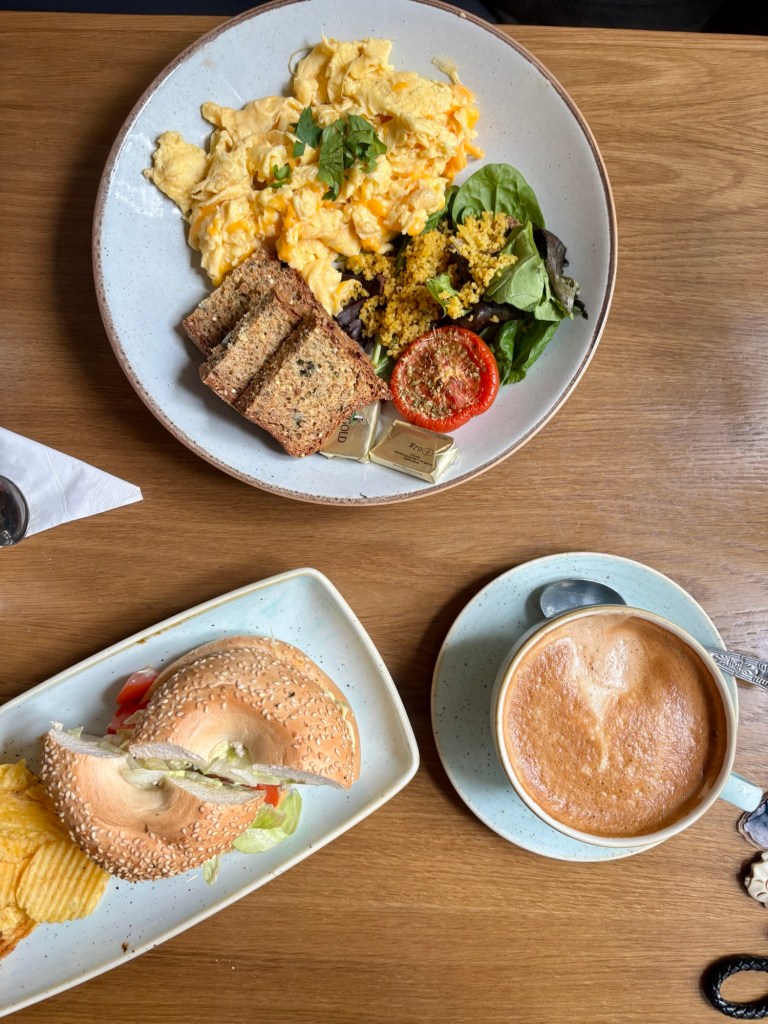
There is also a lovely café, where you can grab a bite to eat or a cup of coffee after you finish walking around.
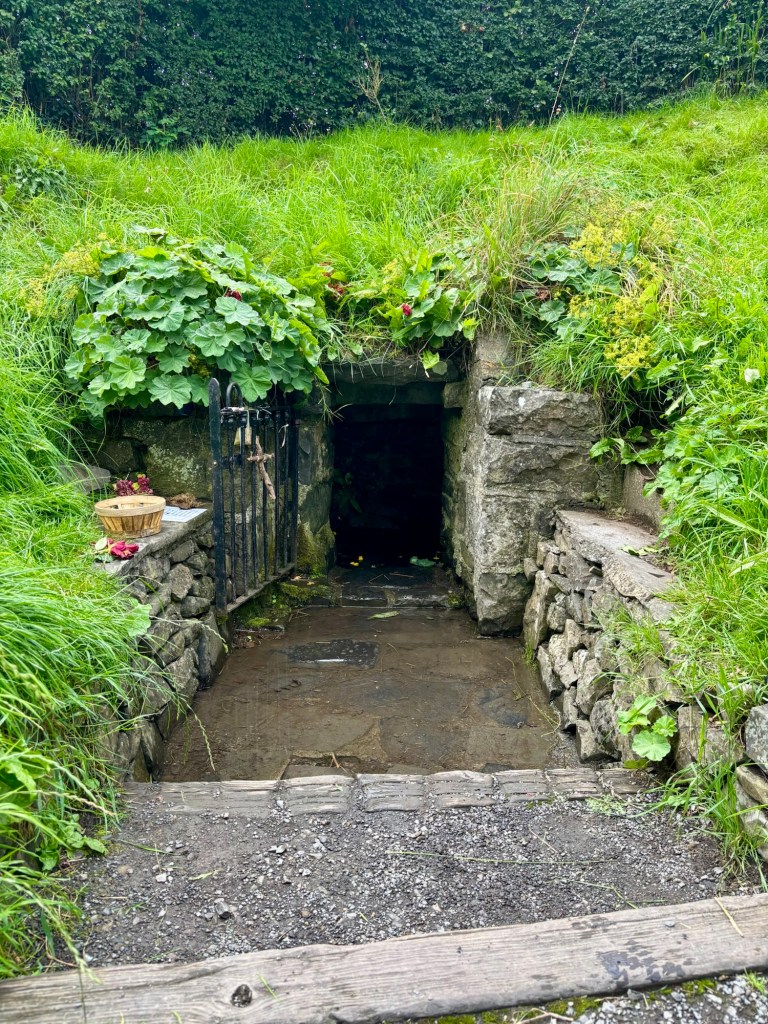
If you still feel like exploring around, you can take a short walk, a little behind the café, to visit St. Patrick’s well. It is known by many other names – the Well of the White Cow or King Cormac’s well. It is thought to be a pre-Christian site, named after St. Patrick, after he brought the religion into the country. The well is said to have healing properties, particularly for eye ailments, but please, do not touch that water because it looks nasty. Maybe just pray at it instead.
There are said to be 7 wells in total around the Hill, but this is the only one I have visited thus far.
Is the Hill of Tara worth visiting?
I think it is, yes. It’s a site of great significance to Irish History. I’m a local to the area and know first-hand that it not only attracts tourists from all over the world but also a lot of the natives. When the weather permits, it is a beautiful site to walk around and take all of that context in. Each time I go, I check if maybe this is the time I’m worthy of being a High King. You never know!
It tends to get quite windy up there (you’ll notice that in my photos), so please consider taking a jacket, as well as shoes you don’t mind getting dirty, in case it is muddy. It’s Ireland afterwards; if it’s not raining now, it might be in 5 minutes. However, the view of the nearby areas from atop the hill is so worth it. On a good day, you can see as far as the Hill of Slane, Newgrange, Boyne Valley and even the Dublin/Wicklow mountains.
The site is government-owned, and so entry to it is free of charge. It is accessible all year round as it is an open site, but for the opening times of the visitor centre, you can check out the Heritage Ireland website for the most up-to-date information.




 The Roaming Wolf
Leave a reply to The Roaming Wolf Cancel reply