
The tea ceremony is a Japanese cultural activity offering an insightful glimpse into the country’s core values, history and teachings.
Origin of the Japanese Tea Ceremony
Tea was first brought to Japan from China during the 9th century by Buddhist monks. During long Zen meditations, they used tea to help them stay awake. The tea drinking practice gained further momentum during the 12th century, when the Zen monk Eisai promoted and popularised it. He is also credited with introducing powdered matcha freshly prepared from matcha tea leaves. The idea spread, particularly among aristocrats and warriors, who viewed tea drinking as a symbol of status. As time passed, the tea drinking process was further refined.
In the 16th century, a tea master, Sen no Rikyu, established four principles and ideologies of the tea ceremony. These were:
- Wa – Harmony
- Kei – Respect
- Sei – Purity
- Jaku – Tranquility
He is also credited with establishing the aesthetic foundations of it as well. Known as the ‘Wabi-cha’ aesthetic (Tea of Wabi), it moved away from the extravagant tea ceremonies performed as a display of status. Instead, taking the four core principles to heart, it focuses on rustic, imperfect style, favouring simple, uncluttered designs and arrangements, in an attempt to appreciate things for what they are. Sen no Rikyu also incorporated ‘ichi-go-ichi-e’ philosophy – to cherish every moment and encounter, as it will never repeat again in the way it is now.
Purpose of the Japanese Tea Ceremony
All these historical developments have created the tea ceremony practised in Japan today. One that encourages you to experience and appreciate the moment, to focus on the spiritual connection between the host and their guests. Tea ceremonies also carry with them a meditative aspect – to foster inner peace and harmony, together with other positive values. Such ceremonies are usually performed to celebrate occasions such as new seasons, the new year, etc.
The different types of the Japanese Tea Ceremony
There are two primary types of Japanese tea ceremonies and they are:
- Chaji (Formal) – a multi-hour formal tea ceremony that carried with it a solemn and ceremonial atmosphere. It includes serving of both thick (koicha) and thin (usucha) tea and a full-course kaiseki meal – an elaborate, multi-course structure of small, individual dishes focused on highlighting seasonal ingredients.
- Chakai (Informal) – a simpler and shorter (approx. 45 minutes) ceremony, focused on serving thin tea (usucha) and sweets only.
These are just some of the basic facts I learned about the Japanese tea ceremony during my travels. It is a deep-rooted tradition that you can read about online much further than I go into here. There are so many more layers to it.
However, if you happen to visit Tokyo and wish to experience that process first-hand, I highly recommend you check out Maikoya – a venue offering a traditional tea ceremony experience, amongst other things.
Kimono Tea Ceremony Maikoya Tokyo Review
Located near Asakusa, the venue is only a few minutes walk away from the Sensō-ji Temple and Tokyo Sky Tree. Maikoya has several experiences on offer, but the one I booked was ‘Sweets Making & Kimono Tea Ceremony’. It costs ¥10,800, which is about €63 or $74, and takes approximately 2 hours.
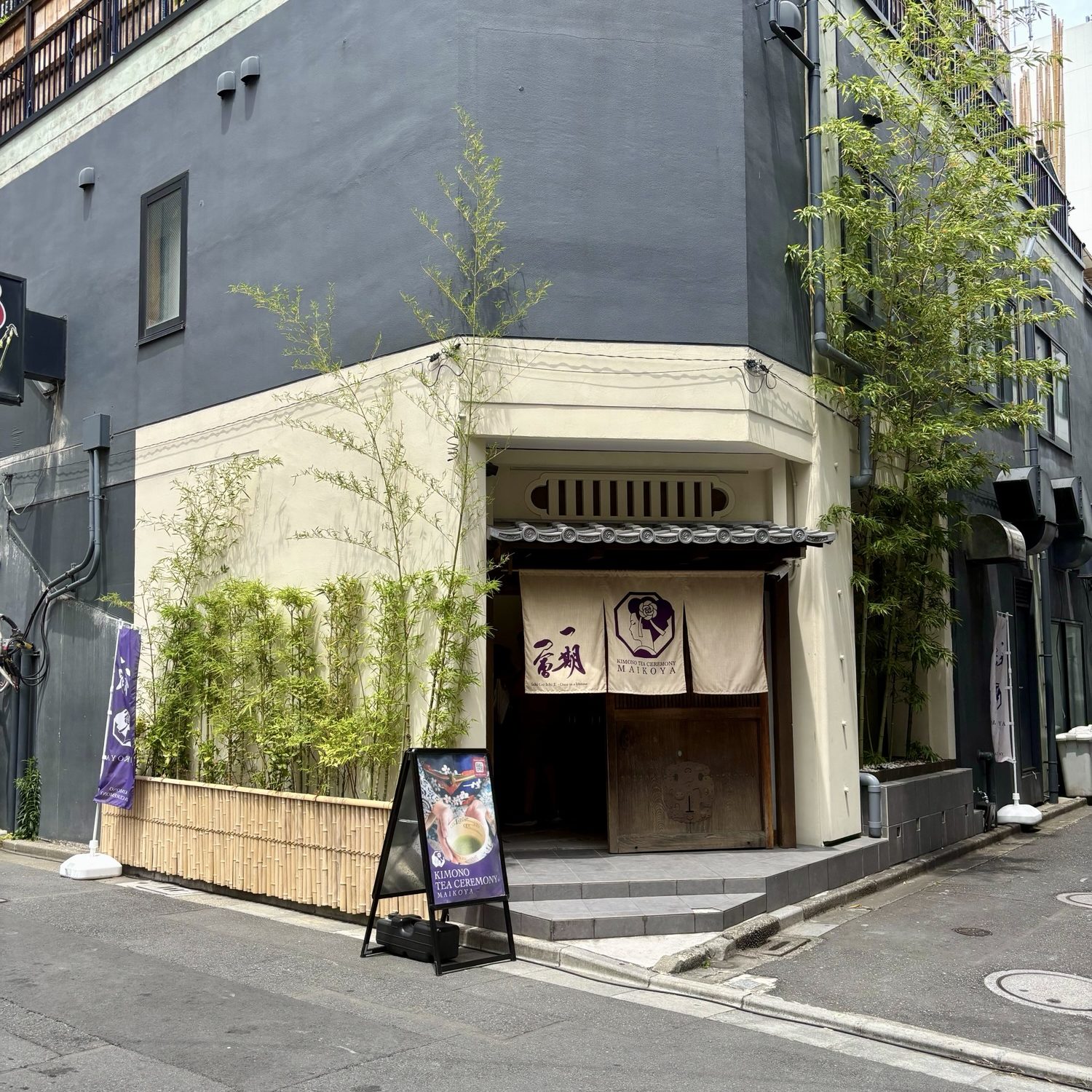
First half hour, you get to choose a kimono to use for the duration of the entire workshop. They have a variety of sizes, colours and styles to suit everyone’s needs. The lovely staff members will help you throughout the whole process and assist the ladies in styling their hair to suit the whole ensemble. Once you’re all dressed up for the occasion, you’re brought to the sweets-making workshop, where you learn how to make wagashi using traditional tools.
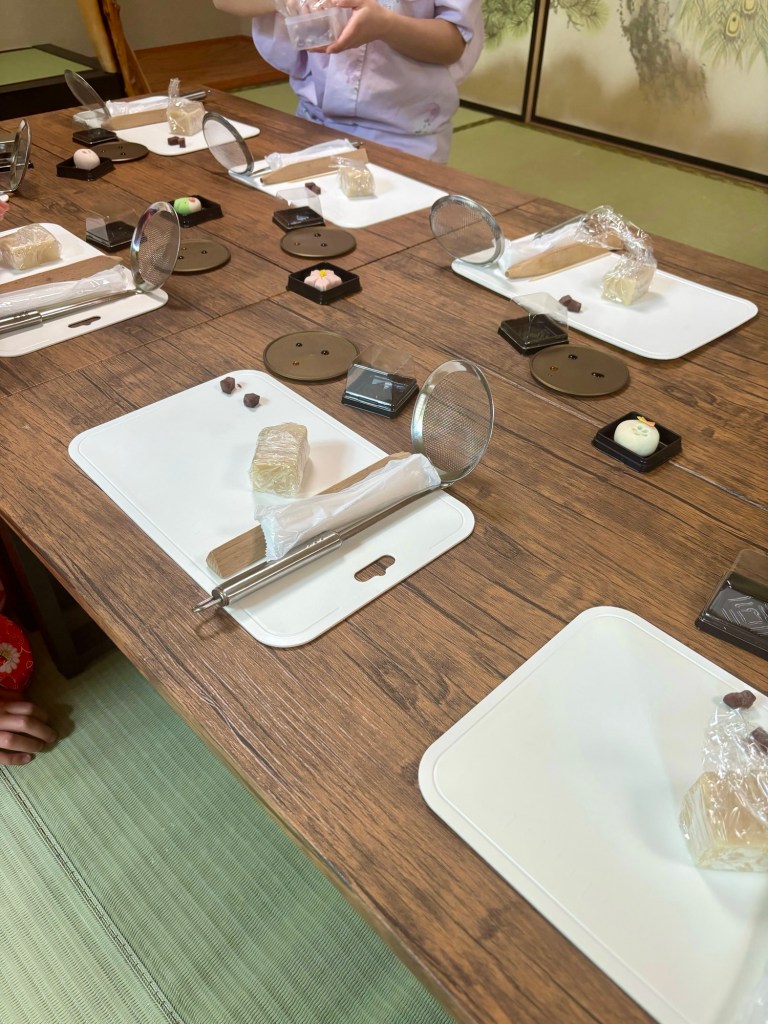
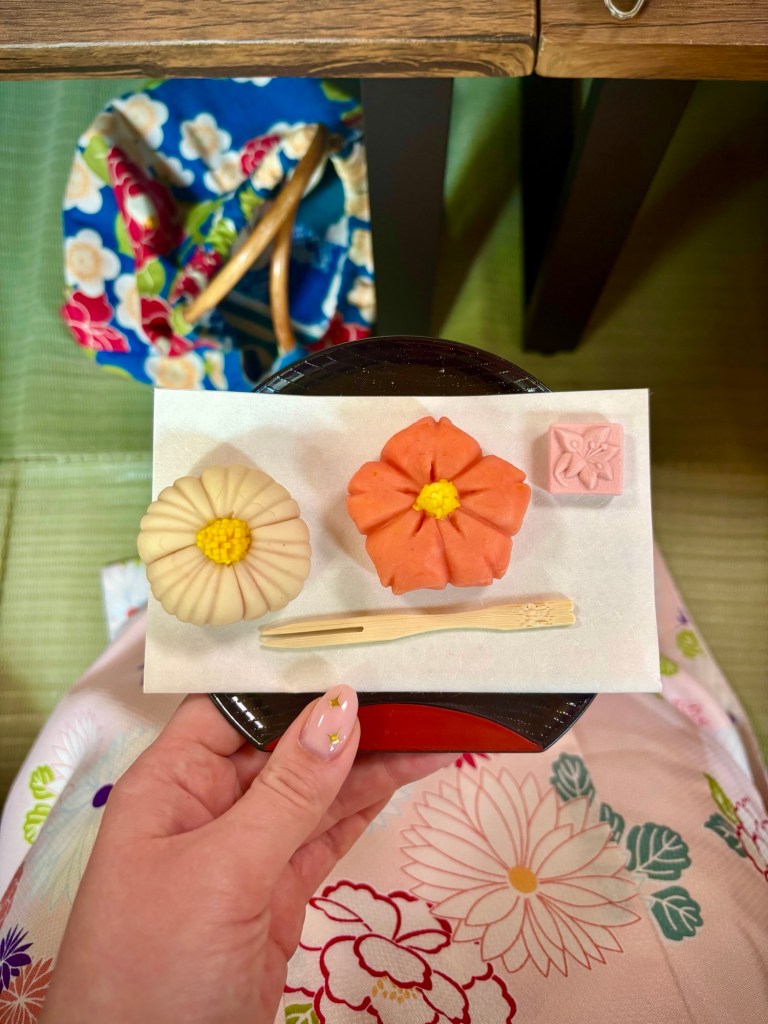
Wagashi is a Japanese confectionery made from rice flour, sweet bean paste and colouring, with a focus on seasons in their designs and inclusion of other ingredients.
After the sweets-making class, you make your way to another room to experience the tea ceremony, where yet again, the most amazing staff will guide you through the process. They explain the history of the tea ceremony in Japan and teach you how to make the matcha tea from the ingredients provided. Once you’re done, you can enjoy it together with the sweets you made earlier, to have a full, immersive experience.
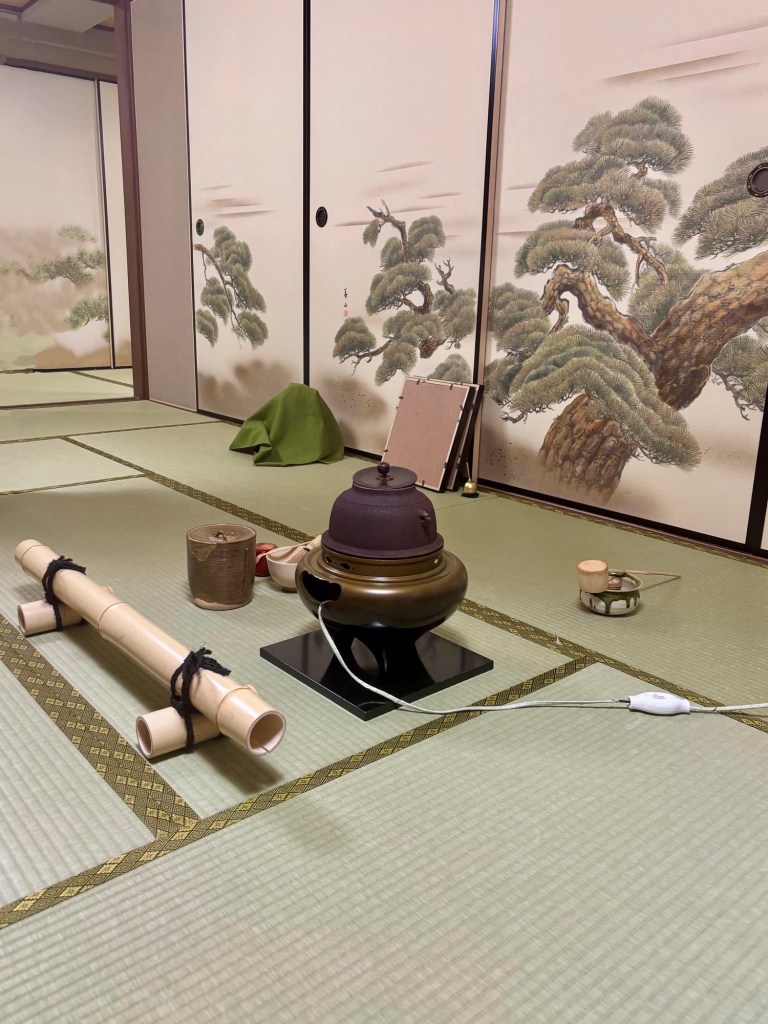
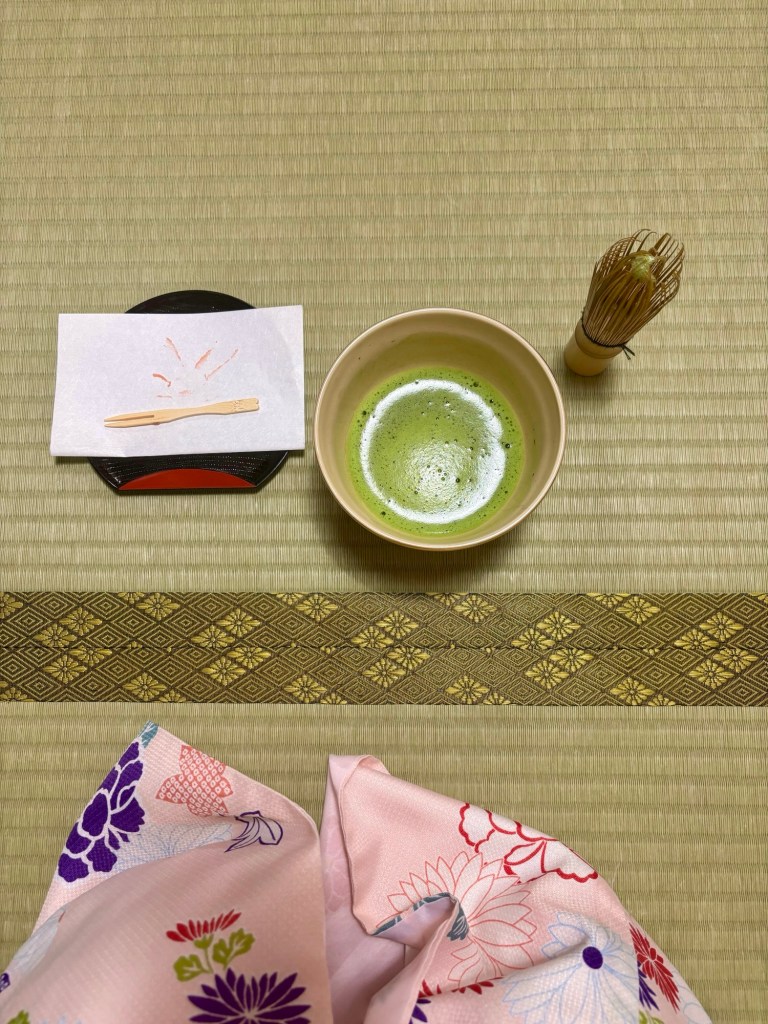
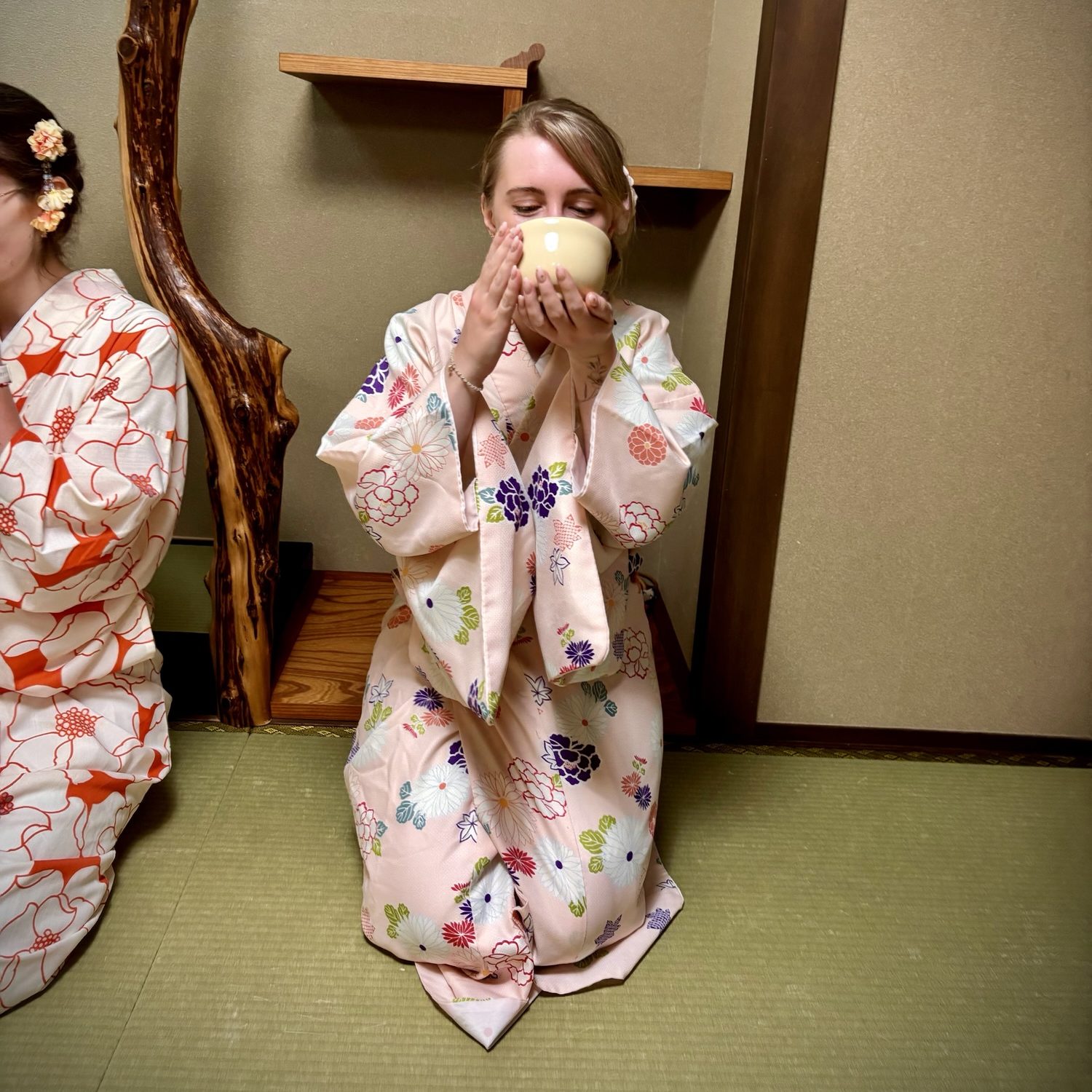
The art of the ceremony is performed and explained in full during it, and if you’re interested in learning more about each of the steps, Maikoya’s website actually has all that information available, which you can check out here.
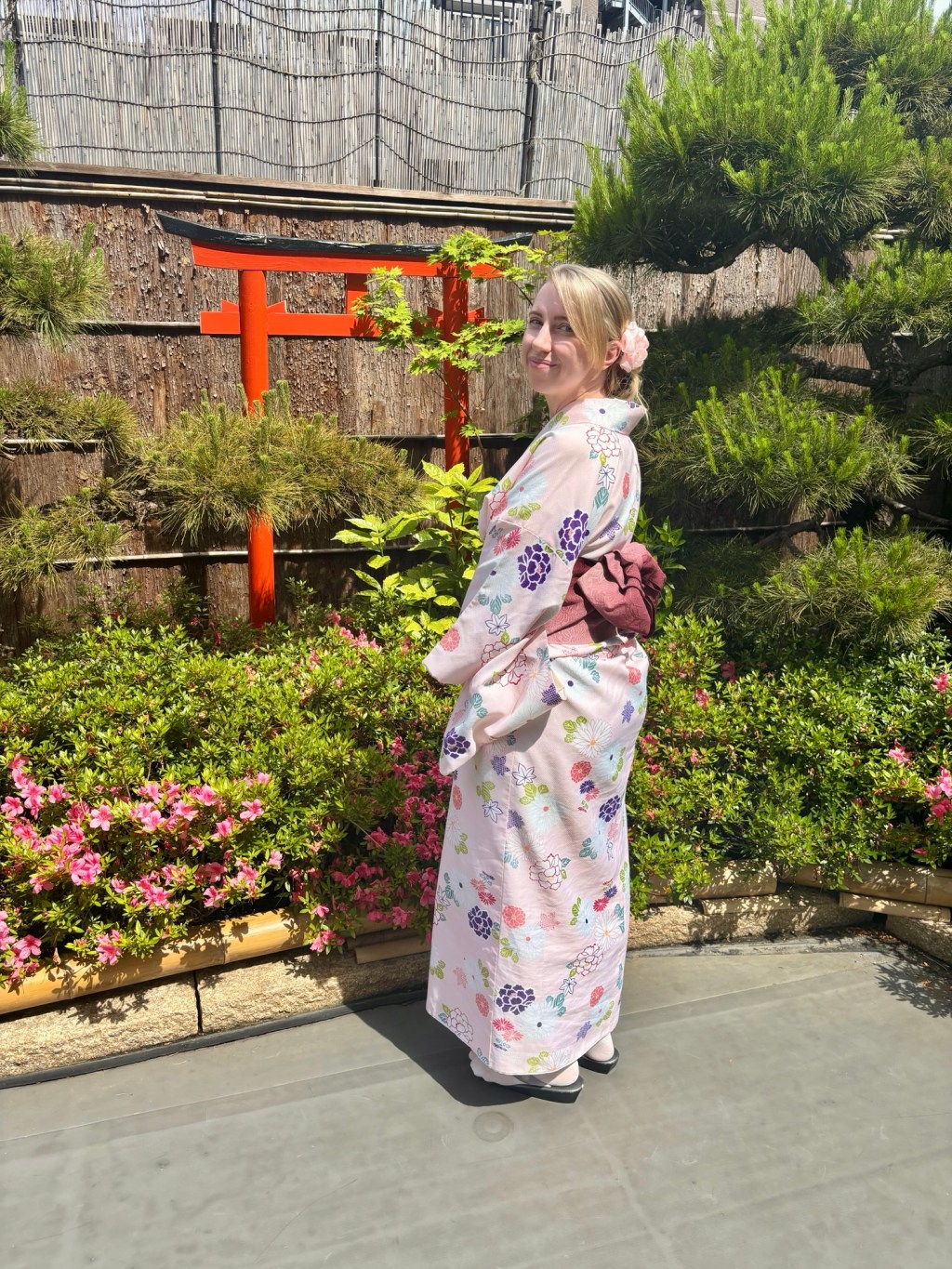
Following the ceremony, you have ample time to take amazing photos throughout the venue, but particularly in their outside garden. It is a lovely prepared space where you’ll capture memories you will treasure for the rest of your life.
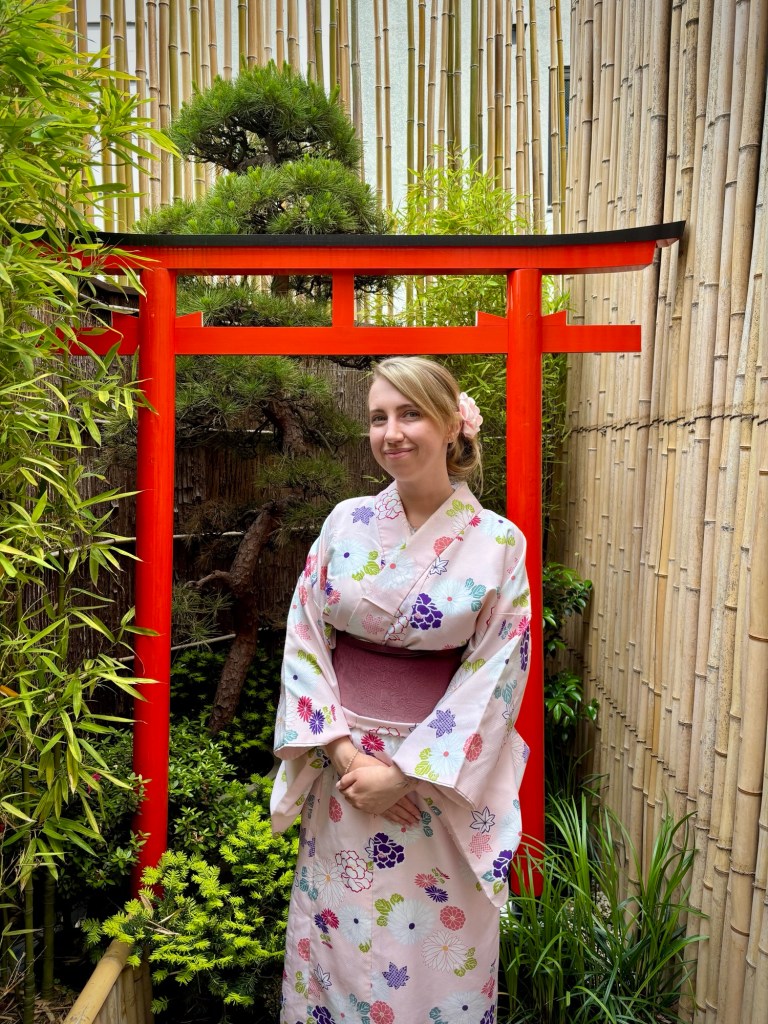

I couldn’t recommend Maikoya enough. If you’re looking for a tea ceremony experience in Tokyo, it is a must to add to your itinerary. They also have venues in Kyoto and Osaka, if you happen to be there instead. The staff were so polite and friendly throughout both workshops and the kimono gowning, they definitely made this experience amazing, by far, one of my favourite ones in Tokyo.


 The Roaming Wolf
Leave a reply to phildynan Cancel reply