

Ireland
Come for the Guinness, stay for everything else! Experience the amazing wildlife, breath-taking scenery and friendliness of the locals all around the Irish coasts and deeper within. Learn the meaning of the word ‘Craic’ and find it withing your own experiences here on this stunning island.
Is Ireland a good travel destination?
I first moved to Ireland in the late 2000’s and have been living here ever since, accounting now for over half my life. Despite the time gone, every year I’m continuously shocked at just how much this seemingly small island has to offer!
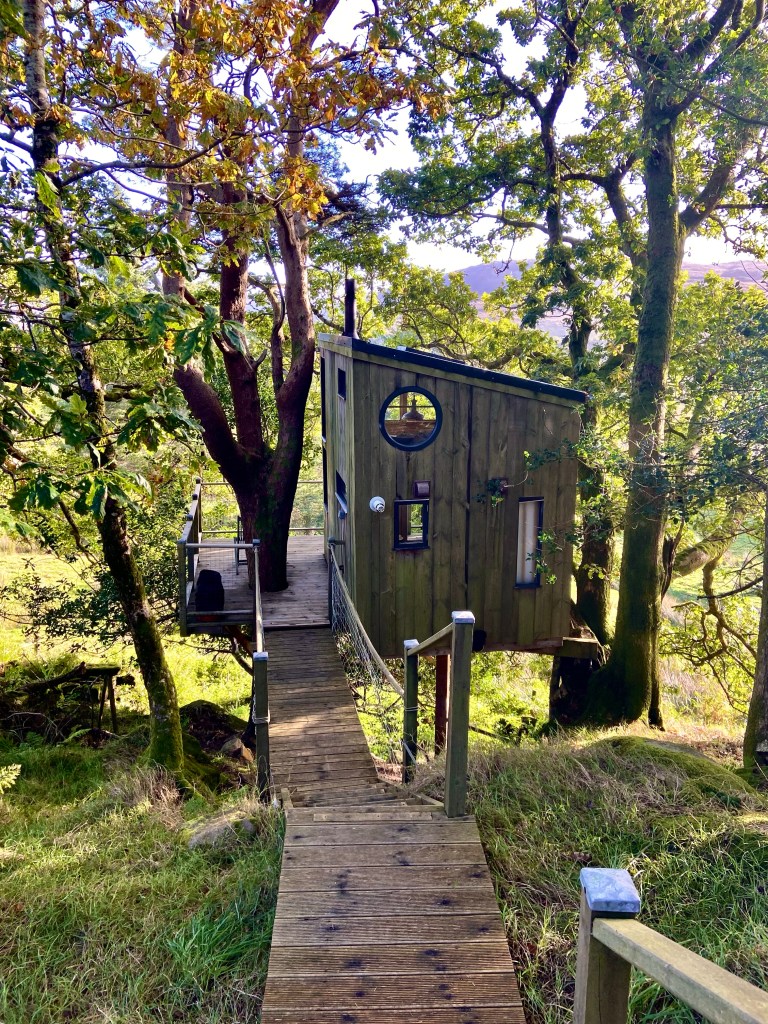
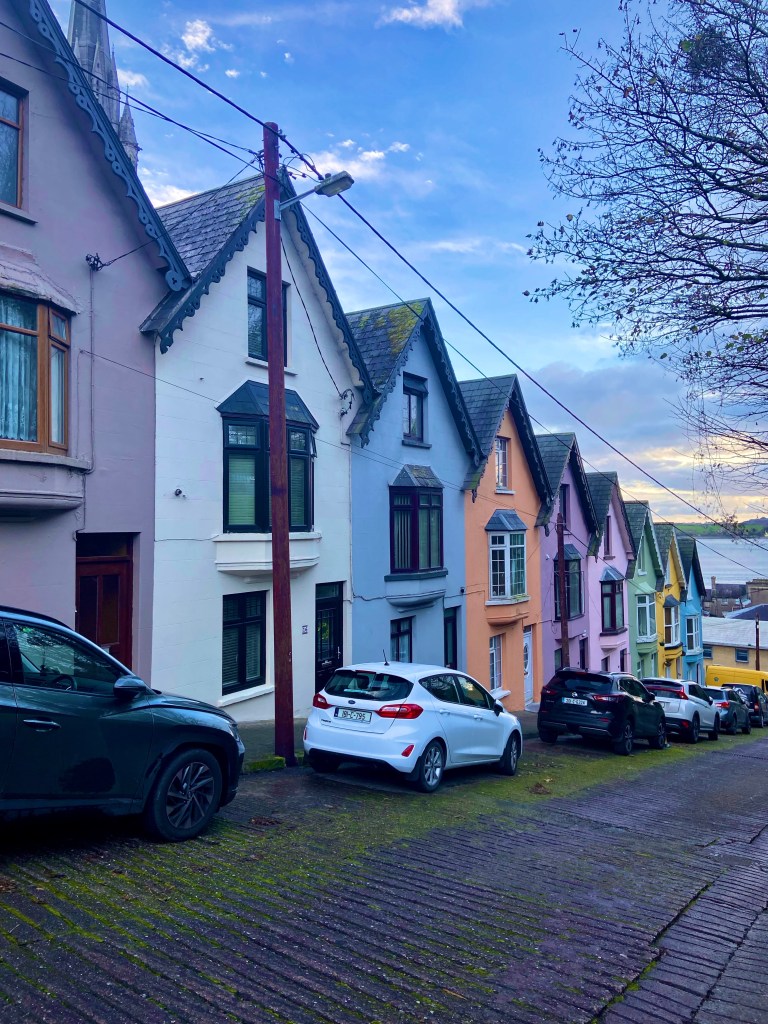
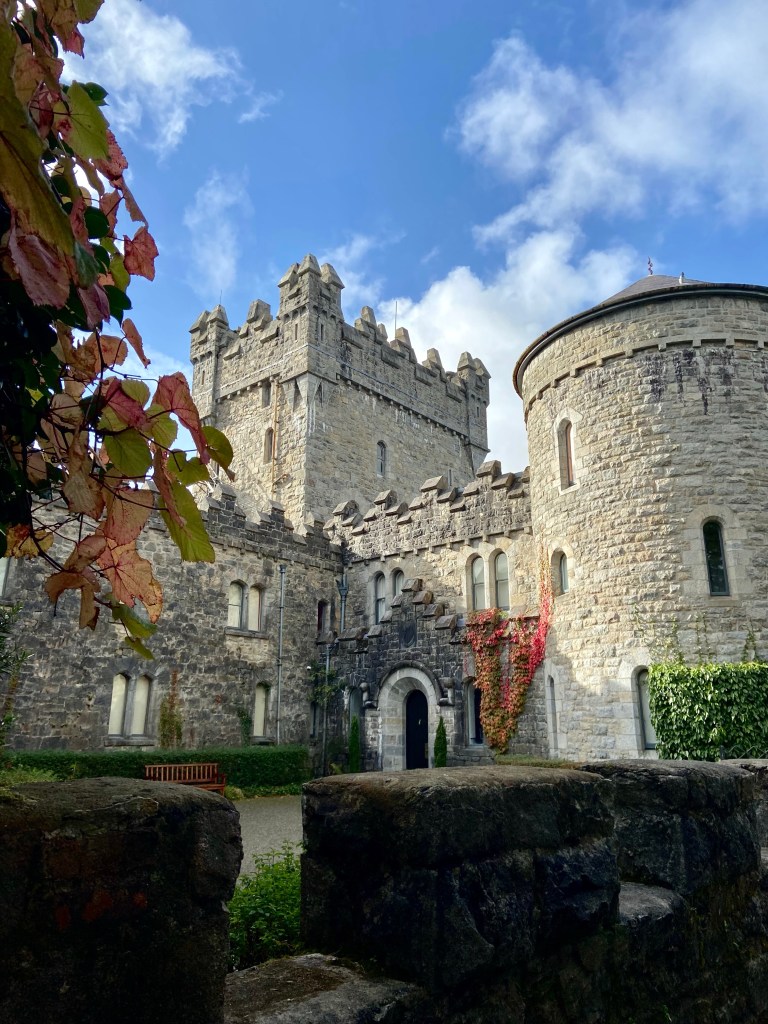
You’ll be surrounded by beautiful coastal scenery and landscapes all around. Visit distilleries, or historical monuments, participate in outdoor activities, whether by the mountains or by the water. Whichever direction you end up in, food and drinks are also always a plenty.
And if you find yourself here around March 17, don’t miss out on our biggest cultural holiday – St. Patrick’s Day, celebrating our patron saint.
If you’re interested in learning more about Ireland in the eyes of a local, make sure to check out the post categories, right down below!

When Best to visit Ireland

What kind of weather does Ireland have?
Irish climate and weather vary heavily throughout the months, days, and, at worst of times, even hours. Generally, the driest and sunniest months run between June and September, while November till March bring about colder and wetter conditions. Its mild temperate oceanic climate, caused by the Atlantic Ocean, means higher humidity and precipitation than average. Even on a sunny day, it is always a good idea to bring a rain jacket with you, because the weather can change drastically and fast. Avoid bringing umbrellas, however, as the winds can be quite gusty.
When is the best time to travel to Ireland?
Summer months tend to attract more tourists, and rightly so. I have always claimed that Ireland is one of the most stunning countries to visit when the sun is out. To try and catch that good weather and long daylight hours, you’re best to plan your visit in the summer months, during the driest conditions, with temperatures reaching up to the low twenties.
What to know when travelling to ireland
What language is spoken in Ireland?
English and Irish are the official languages.
What type of currency is used in Ireland?
Euro (EUR)
What type of travel plugs are used in Ireland?
Type G – three rectangular pins in a triangular pattern, 230V supply voltage and 50Hz frequency
Does Ireland accept card payments?
While a lot of businesses, including shops and restaurants accept card payments, as always, it is advised to keep small amounts of cash on you for small purchases or a Taxi service
What are the requirements and documentation needed to travel to Ireland?
For the most up-to-date information, visit your nearest Irish embassy or visit the Ministry of Foreign Affairs website.
For travellers with reduced mobility or those using a pram, there are several websites you can refer to for more information before going over, covering the particular area of interest and relevant mode of transportation.


 The Roaming Wolf